Why Trapiche Gemstones Are So Rare and Valuable

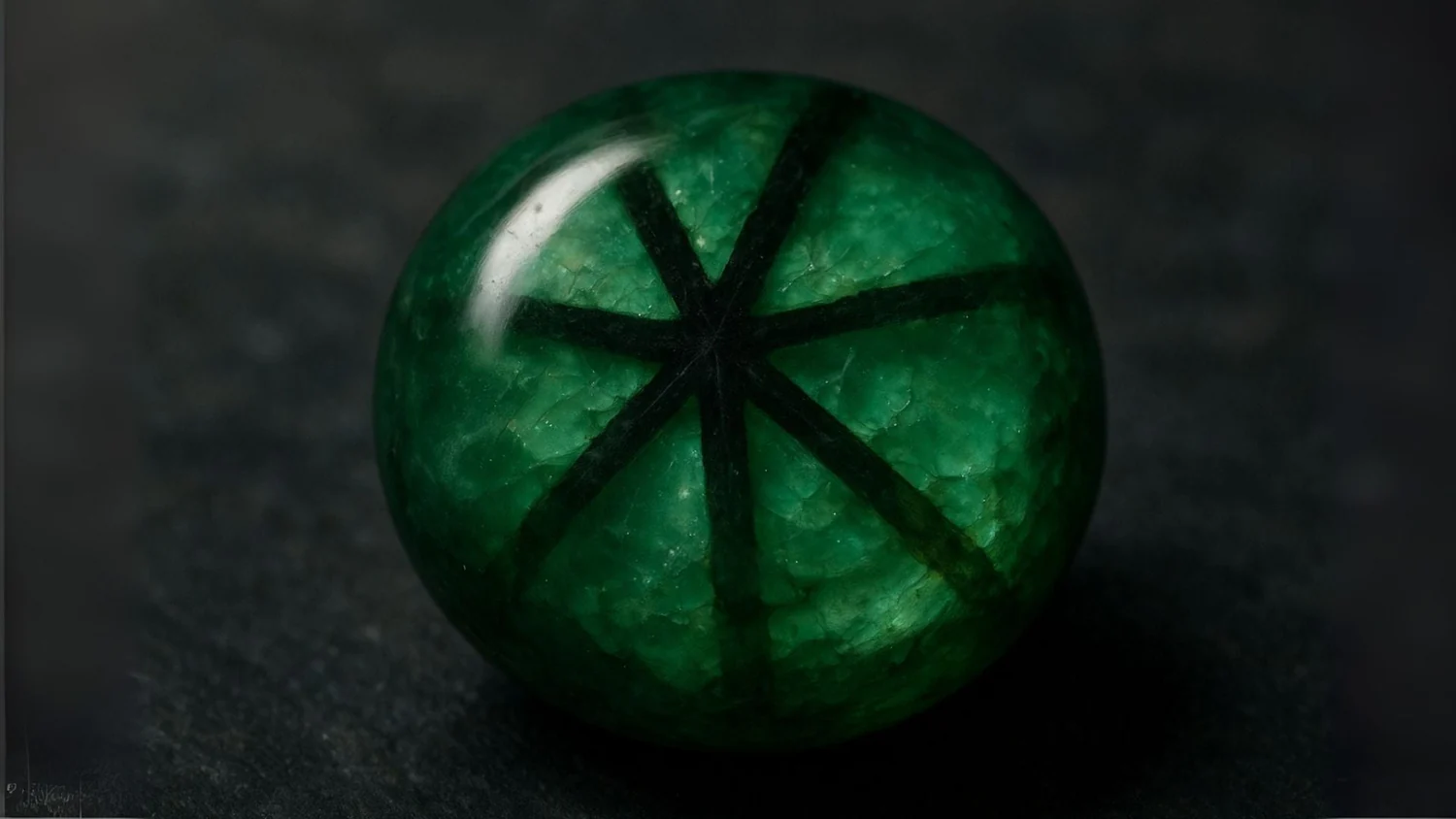
Trapiche gemstones are among the rarest and most unusual natural gemstones found in the mineral world. Their distinctive wheel-like pattern, which forms naturally inside the crystal, makes them instantly recognizable and highly desirable among collectors and gemstone enthusiasts.
Unlike many gemstones that are valued mainly for their color and clarity, Trapiche stones are admired for their remarkable internal structure and the unique geological conditions required for their formation. Because of these factors, they are considered both rare and valuable in the global gemstone market.
The Unique Trapiche Structure
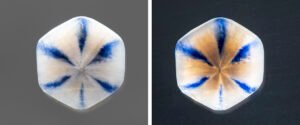
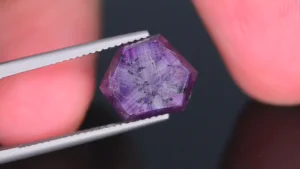
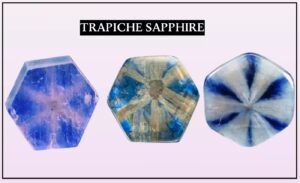
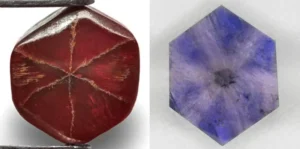
The most defining feature of Trapiche gemstones is their natural radial pattern. When viewed from above, the crystal displays six spokes that extend from the center to the outer edges, dividing the stone into symmetrical sections.
The word Trapiche originates from the Spanish name for the grinding wheels used in traditional sugar mills in Latin America. The internal structure of these gemstones resembles those wheels, which is how the term became associated with this rare crystal pattern.
This natural pattern forms during the crystal growth process and cannot be artificially reproduced through cutting or treatment.
Rare Geological Conditions
One of the main reasons Trapiche gemstones are so rare is the specific geological environment required for their formation. These stones develop deep within the Earth under precise conditions of pressure, temperature, and mineral composition.
During the crystal growth process, impurities or different minerals become trapped along the boundaries of the growing crystal sectors. These inclusions create the dark lines that form the distinctive six-rayed pattern.
For a perfect Trapiche pattern to form, several conditions must occur simultaneously:
- Slow and stable crystal growth
- Presence of mineral inclusions along sector boundaries
- Symmetrical development of crystal sectors
- Minimal disturbance during formation
Because this combination of conditions rarely occurs in nature, only a small number of crystals develop the complete Trapiche structure.
Limited Availability in the Market
Even in regions where gemstones are commonly mined, Trapiche crystals are extremely uncommon. Many deposits may produce thousands of ordinary gemstones, but only a few may show the characteristic Trapiche pattern.
In addition, not all Trapiche crystals are suitable for collectors or jewelry. Some may have incomplete patterns, fractures, or irregular shapes that reduce their desirability.
As a result, well-formed specimens with clear and symmetrical patterns are rarely available in the international gemstone market.
High Demand Among Collectors
Trapiche gemstones are particularly popular among mineral collectors and gemstone enthusiasts who appreciate unusual crystal formations. Their natural structure makes them scientifically interesting as well as visually striking.
Collectors often look for specimens with:
- A well-defined six-spoke pattern
- Strong contrast between crystal sectors
- Good overall crystal condition
- Attractive color and transparency
Because these features are difficult to find together in a single stone, high-quality Trapiche specimens are often highly sought after.
Trapiche Gemstones in Different Minerals
While the Trapiche structure is most famously associated with emeralds, it can also occur in several other gemstones under the right conditions.
Some of the known varieties include:
- Trapiche Sapphire
- Trapiche Emerald
- Trapiche Ruby
- Trapiche Garnet
Among these, Trapiche Sapphire and Trapiche Emerald are especially admired by collectors because of their rarity and striking appearance.
Scientific and Educational Value
Trapiche gemstones are not only valuable as collectibles but also important for scientific study. Their internal patterns help researchers understand how crystals grow and how mineral inclusions develop during formation.
The sector-based structure found in these stones provides valuable insights into the geological processes that occur deep within the Earth.
For this reason, many Trapiche specimens are preserved as mineral samples rather than being cut for jewelry.
Conclusion
Trapiche gemstones are rare and valuable because of their unique natural formation and limited availability. Their distinctive wheel-like pattern forms only under very specific geological conditions, making each specimen a remarkable natural creation.
For collectors and gemstone enthusiasts, Trapiche stones represent a perfect combination of beauty, rarity, and scientific significance. Their unusual structure and natural origin ensure that they will always remain among the most fascinating gemstones in the world.