How Gemstones Are Formed in Nature: The Science of Crystal Growth

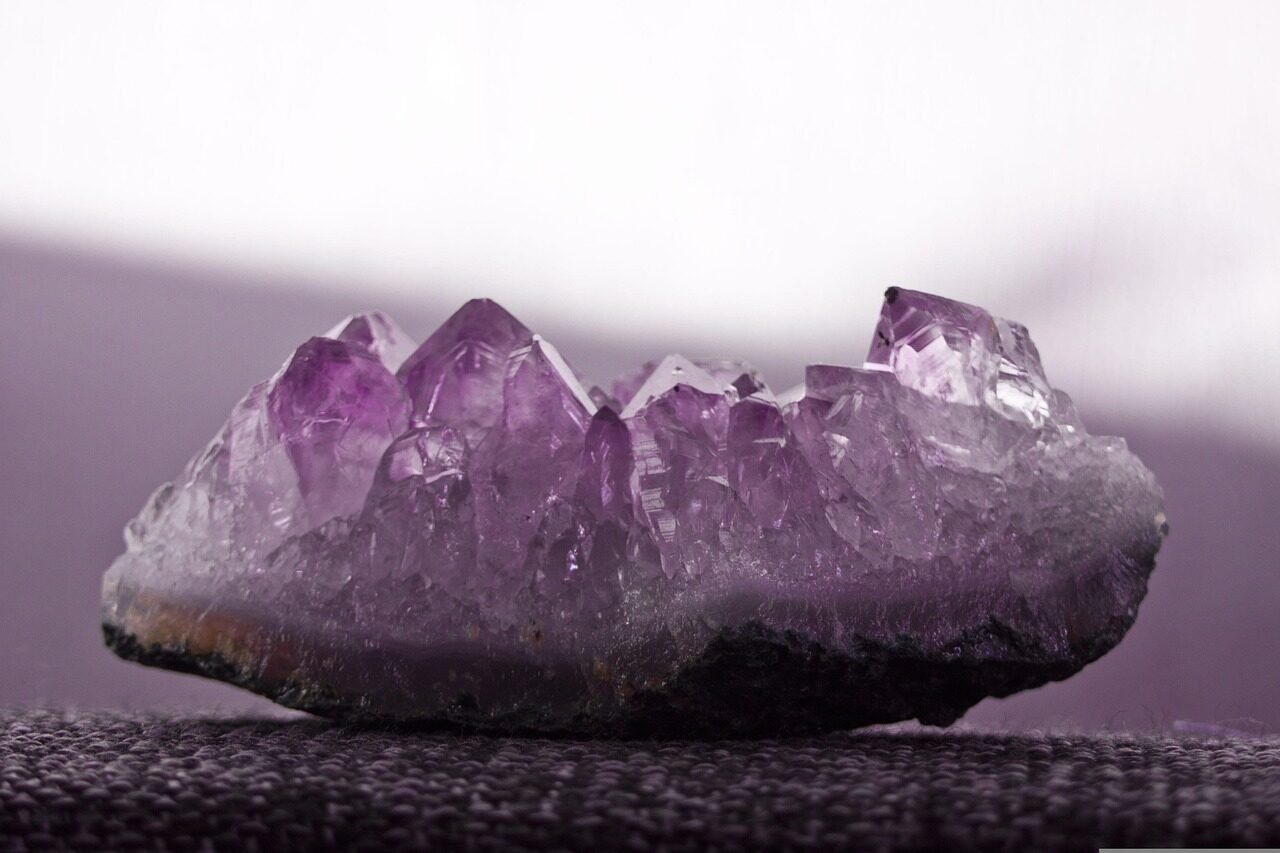
Gemstones are among the most fascinating natural materials found on Earth. Their beauty, color, and rarity have attracted collectors, jewelers, and scientists for centuries. But behind every gemstone lies a long geological history that begins deep inside the Earth.
Understanding how gemstones form in nature helps us appreciate the incredible processes that create these natural crystals. The science behind gemstone formation is closely related to crystal growth, mineral chemistry, and geological conditions such as heat, pressure, and fluid movement within the Earth’s crust.
What Is a Gemstone?
A gemstone is a mineral crystal that has been cut and polished for use in jewelry or collected as a natural specimen. Some gemstones are also valued in their raw or crystal form because of their natural beauty and structure.
Most gemstones are minerals such as:
- Sapphire
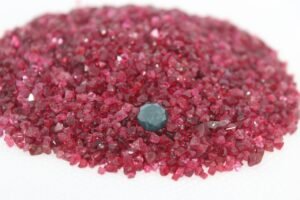
- Ruby
- Emerald
- Quartz
- Topaz
- Garnet
These minerals form naturally through geological processes that occur over thousands or even millions of years.
The Basics of Crystal Growth
Crystal growth is the process through which atoms arrange themselves into an ordered and repeating pattern. This structured arrangement forms a crystal lattice, which gives gemstones their characteristic shapes and internal structures.
For a crystal to grow, three main conditions are usually required:
- The presence of the correct chemical elements
- Suitable temperature and pressure conditions
- Enough time for the crystal structure to develop
When these conditions are stable, minerals can slowly crystallize and form gemstones.
The Three Main Ways Gemstones Form
Most natural gemstones form through one of three primary geological processes.
1. Magmatic Formation
Some gemstones form from molten rock called magma. Deep within the Earth, high temperatures melt rock into a liquid state. As this magma slowly cools, minerals begin to crystallize.
During this cooling process, crystals may grow within the magma, eventually forming gemstones.
Examples of gemstones that can form in magmatic environments include:
- Diamond
- Zircon
- Peridot
Slow cooling allows crystals to grow larger and develop well-defined shapes.
2. Metamorphic Formation
Metamorphic gemstones form when existing rocks are subjected to extreme heat and pressure deep inside the Earth. These conditions cause minerals within the rock to recrystallize and form new structures.
This process can create some of the world’s most valuable gemstones.
Common metamorphic gemstones include:
- Ruby
- Sapphire
- Garnet
- Spinel
The intense pressure and temperature conditions allow crystals to grow and reorganize within the rock.
3. Hydrothermal Formation
Many gemstones form through hydrothermal processes involving hot mineral-rich fluids moving through cracks and cavities in rocks.
These fluids carry dissolved minerals. When the temperature or pressure changes, the minerals begin to crystallize and grow into gemstones.
Hydrothermal environments can produce beautiful crystals with well-defined shapes.
Examples include:
- Quartz
- Emerald
- Topaz
This process can occur deep underground or near volcanic regions where hot fluids circulate through rock formations.
The Role of Time in Gemstone Formation
One of the most remarkable aspects of gemstone formation is the time required for crystals to grow.
Many gemstones develop over thousands to millions of years. During this time, minerals slowly accumulate layer by layer, forming the crystal structures that make gemstones so unique.
This long formation period is one of the reasons natural gemstones are considered rare and valuable.
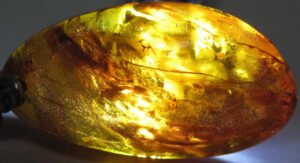
Natural Features Created During Crystal Growth
As gemstones form in nature, they often develop internal characteristics that help gemologists identify their natural origin.
These features may include:
- Mineral inclusions
- Growth lines
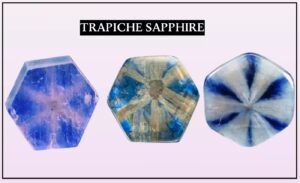
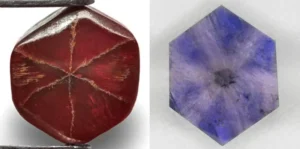
- Color zoning
- Natural fractures
Rather than reducing the beauty of a gemstone, these natural features often tell the story of how the crystal formed.
Why Some Gemstones Become Rare
Even though the Earth produces many minerals, only a small number develop the clarity, color, and durability needed to become gemstones.
Several factors influence gemstone rarity:
- Geological conditions must be ideal
- The correct chemical elements must be present
- Crystals must grow without major damage
- The stones must survive geological changes over time
Because these conditions rarely occur together, high-quality gemstones are naturally limited.
Conclusion
The formation of gemstones is a remarkable natural process that combines geology, chemistry, and time. Through crystal growth deep within the Earth, minerals slowly develop into the beautiful gemstones admired by collectors and jewelers around the world.
Whether formed from cooling magma, intense metamorphic pressure, or mineral-rich hydrothermal fluids, every natural gemstone represents a unique geological journey that may have taken millions of years to complete.
Understanding how gemstones form in nature not only increases appreciation for these natural treasures but also highlights the extraordinary processes shaping our planet.