Common Gemstone Inclusions and What They Mean

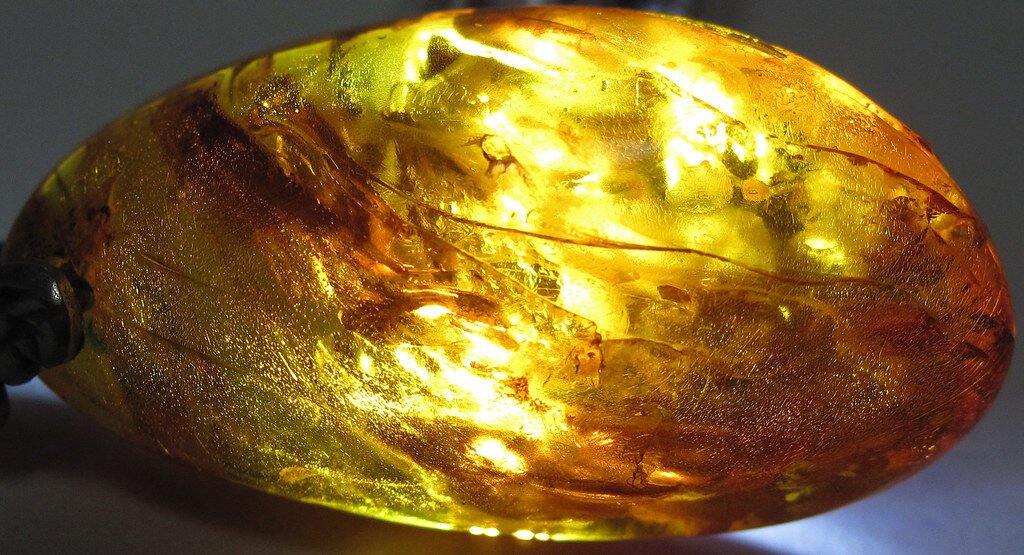
Gemstones are treasured not only for their color and brilliance but also for the natural features that make each stone unique. These internal features, known as inclusions, are tiny imperfections, minerals, or patterns trapped inside the gemstone as it forms. While some buyers see inclusions as flaws, they actually provide important clues about a gemstone’s origin, authenticity, and quality.
For collectors, jewelers, and gemstone enthusiasts, understanding common inclusions is a key part of gemstone education.
What Are Gemstone Inclusions?
Inclusions are natural materials or structures present inside a gemstone. They can take many forms, including:
- Tiny crystals of other minerals
- Gas bubbles
- Liquid-filled cavities
- Growth lines and fractures
Inclusions occur during the crystal growth process and are essentially a gemstone’s “birthmark,” reflecting its natural formation over millions of years.
Why Inclusions Matter
Inclusions are important for several reasons:
- Authentication: Natural gemstones often contain inclusions, whereas synthetic or imitation stones may lack them.
- Origin Identification: Certain inclusions are characteristic of specific geographical regions.
- Value Assessment: The type, size, and visibility of inclusions can affect a gemstone’s clarity grade and overall value.
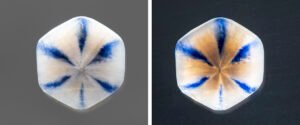
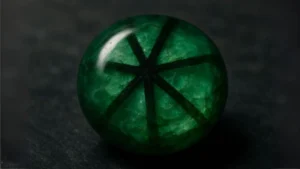
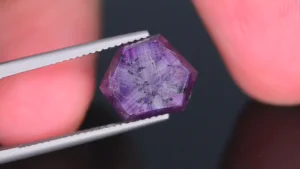
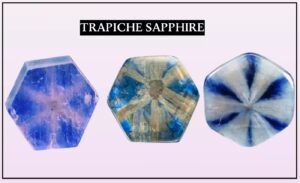
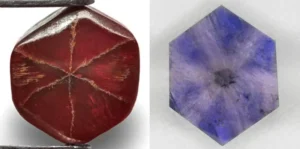
- Aesthetic Appeal: Some inclusions create unique patterns, like the star effect in Star Sapphires or the wheel pattern in Trapiche gems.
While inclusions can slightly reduce transparency, they often add character and tell a gemstone’s geological story.
Common Types of Gemstone Inclusions
1. Crystal Inclusions
These are tiny crystals of other minerals trapped inside the main gemstone. They can appear as points, needles, or clusters.
- Example: Rutile needles in sapphires, which create the beautiful asterism (star effect).
2. Liquid Inclusions
Some gemstones contain small pockets of liquid trapped inside. These are common in emeralds and quartz.
- Liquid inclusions can sometimes form interesting patterns like tiny “gardens” inside the stone.
3. Gas Bubbles
Gas bubbles are more common in glass imitations than in natural gemstones, but they can occasionally appear in natural stones.
- Presence of perfectly round bubbles usually indicates synthetic or imitation stones.
4. Fractures and Cracks
Fractures are breaks or cracks inside a gemstone. They often form during crystal growth or from external stress.
- Some fractures are harmless, while others may reduce durability.
- Emeralds, for example, often have visible fractures, which is why they are frequently treated with oils to improve clarity.
5. Color Zoning
Color zoning refers to uneven distribution of color inside the gemstone. It can appear as stripes, patches, or gradients.
- Common in sapphires, rubies, and tourmalines.
- Indicates natural growth conditions and can enhance the stone’s uniqueness.
6. Growth Lines
These are fine lines formed during crystal growth.
- Trapiche sapphires, for example, display radial growth lines forming the characteristic wheel pattern.
- Growth lines can help gemologists determine the stone’s natural origin.
How Inclusions Affect Gemstone Value
- Minimal inclusions often result in higher clarity grades and higher market value.
- Unique or rare inclusions can increase a gemstone’s desirability among collectors, such as Trapiche or star patterns.
- Visible fractures or impurities that affect transparency may reduce the value.
Understanding the type and effect of inclusions helps buyers make informed choices when selecting gemstones.
Identifying Inclusions
To examine gemstone inclusions, collectors and jewelers often use:
- Jeweler’s loupe (10x magnification)
- Microscope for detailed inspection
- Gemological reports from certified labs
Careful observation of inclusions provides insights into the gemstone’s formation, authenticity, and quality.
Conclusion
Gemstone inclusions are not just imperfections—they are windows into the natural history of the stone. Recognizing and understanding inclusions allows collectors and enthusiasts to appreciate the uniqueness of each gemstone while making informed decisions about buying, selling, and valuing gems.
Whether it’s a delicate rutile needle, a liquid-filled cavity, or a beautiful Trapiche growth pattern, inclusions tell the story of the Earth’s geological processes and the journey of the gemstone from deep within the Earth to your collection.