Trapiche vs Star Sapphire: Understanding the Difference

Trapiche Sapphire and Star Sapphire are two fascinating varieties of sapphire that display unique patterns inside the stone. Although both gemstones show striking internal structures, they form through completely different geological processes. Because of their unusual appearances, these stones often attract the attention of collectors, gemologists, and gemstone enthusiasts.
Understanding the difference between Trapiche Sapphire and Star Sapphire helps collectors identify these rare gemstones and appreciate the natural processes that create them.
What Is a Trapiche Sapphire?
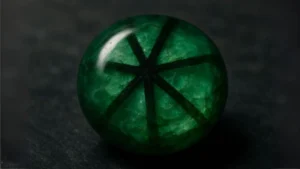
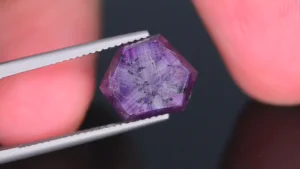
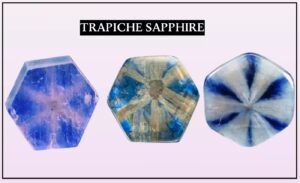
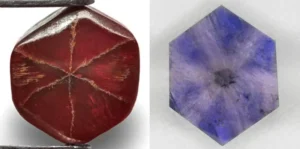
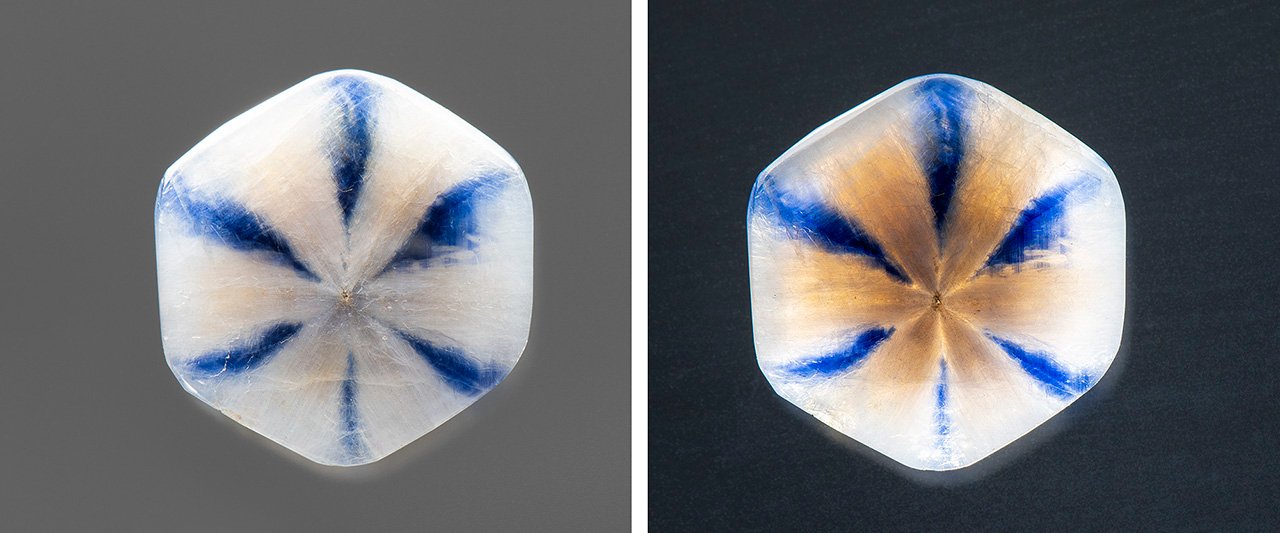
Trapiche Sapphire is a rare variety of sapphire that displays a natural wheel-like pattern inside the crystal. This pattern usually forms six spokes radiating from the center of the stone, dividing the crystal into symmetrical sections.
The name Trapiche comes from the Spanish word used for the grinding wheels of traditional sugar mills. When viewed from above, the pattern inside the gemstone resembles these wheels.
This structure forms naturally during crystal growth when mineral inclusions become trapped along the boundaries of the growing crystal sectors. These inclusions create the visible lines that produce the famous Trapiche pattern.
Trapiche sapphires are extremely rare and are often preserved as mineral specimens rather than being cut into traditional gemstones.
What Is a Star Sapphire?
Star Sapphire is another special variety of sapphire known for displaying a star-shaped pattern on the surface of the gemstone. This optical effect is called asterism.
Unlike Trapiche sapphires, the star pattern in these stones appears when the gemstone is cut into a smooth domed shape called a cabochon. When light shines on the surface, it reflects from tiny needle-like inclusions inside the crystal, creating a glowing star that moves as the stone is rotated.
Most star sapphires display a six-rayed star, although some rare stones may show twelve rays.
How Their Patterns Form
The patterns in Trapiche Sapphire and Star Sapphire form through completely different geological mechanisms.
Trapiche Pattern Formation
- Occurs during the crystal growth stage
- Mineral inclusions form along crystal sector boundaries
- Creates a permanent wheel-like structure inside the crystal
Star Sapphire Formation
- Caused by microscopic needle-like inclusions called rutile
- These inclusions reflect light in specific directions
- The star appears only when the stone is cut and illuminated
Because of these differences, the Trapiche pattern is part of the crystal’s structure, while the star effect in Star Sapphire is an optical phenomenon.
Appearance Differences
The visual appearance of these two gemstones is very different.
Trapiche Sapphire
- Displays a wheel-like pattern inside the crystal
- The pattern remains visible from multiple angles
- Often preserved as natural crystals or slices
Star Sapphire
- Shows a glowing star on the surface
- The star moves as the gemstone is rotated under light
- Usually cut as a cabochon to enhance the star effect
These distinct visual characteristics make it easier to identify the two gemstone types.
Rarity and Collectibility
Both Trapiche Sapphire and Star Sapphire are highly collectible, but their rarity differs.
Trapiche sapphires are generally considered much rarer because the crystal must develop a perfect sector pattern during formation. This process occurs only under very specific geological conditions.
Star sapphires are uncommon but more widely available because the star effect depends on the presence of rutile inclusions, which occur more frequently in corundum crystals.
For collectors interested in unusual crystal structures, Trapiche sapphires are especially desirable.
Use in Jewelry and Collections
Star sapphires are commonly used in jewelry because their glowing star effect creates a dramatic and attractive appearance. Rings, pendants, and bracelets often feature cabochon-cut star sapphires.
Trapiche sapphires, on the other hand, are more often kept as mineral specimens. Their natural structure is highly valued by collectors and researchers studying crystal growth patterns.
However, some Trapiche stones are cut carefully to display the internal pattern in unique jewelry pieces.
Conclusion
Trapiche Sapphire and Star Sapphire are both extraordinary gemstones, but they differ significantly in how their patterns form and how they appear.
Trapiche Sapphire displays a natural wheel-like structure created during crystal growth, while Star Sapphire shows a moving star effect caused by light reflecting from microscopic inclusions.
For gemstone collectors and enthusiasts, both stones represent fascinating examples of how nature can produce remarkable patterns inside crystals. Understanding these differences helps appreciate the beauty and rarity of each gemstone type.