Gemstone Education

The Mohs Hardness Scale: Understanding Gemstone Durability

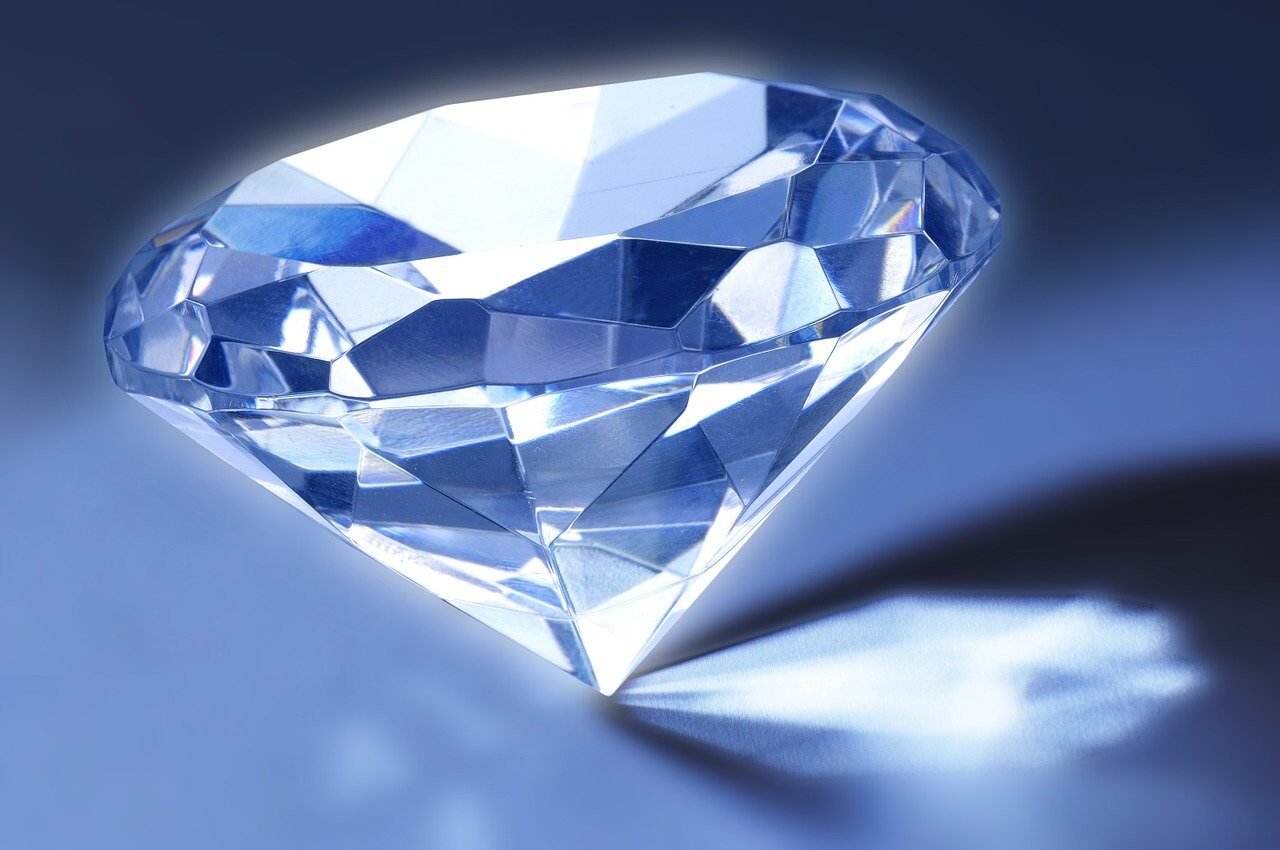
diamond, gemstone, refraction, facets, crystal, blue, jewellery, diamond, diamond, diamond, diamond, diamond

When it comes to gemstones, hardness is one of the most important physical properties to understand. It determines how resistant a gemstone is to scratching, wear, and daily use in jewelry. The most widely used method for measuring a gemstone’s hardness is the Mohs Hardness Scale, developed by Friedrich Mohs in 1812.

Understanding this scale is essential for gemstone collectors, jewelers, and anyone interested in gemstone durability.


What Is the Mohs Hardness Scale?

The Mohs Hardness Scale ranks minerals based on their ability to scratch or be scratched by other substances. The scale ranges from 1 to 10, with 1 being the softest and 10 being the hardest.

Here’s a simplified version of the Mohs scale:

Mohs Hardness Mineral Example
1 Talc
2 Gypsum
3 Calcite
4 Fluorite
5 Apatite
6 Orthoclase
7 Quartz
8 Topaz
9 Corundum (Sapphire & Ruby)
10 Diamond

A mineral can scratch any mineral with a lower number on the scale but can be scratched by minerals with a higher number.


Why Hardness Matters for Gemstones

The hardness of a gemstone affects:

  • Durability: Softer gemstones are more prone to scratches and damage.
  • Wearability: Harder stones can be used in daily jewelry like rings and bracelets without significant wear.
  • Care requirements: Softer gemstones require careful handling and may need protective settings in jewelry.

For example, diamonds (10 on the Mohs scale) are extremely durable and ideal for engagement rings. In contrast, talc (1) is very soft and not suitable for jewelry.


Common Gemstones and Their Mohs Hardness

Here’s a look at the hardness of popular gemstones:

  • Diamond: 10 – Extremely hard and durable
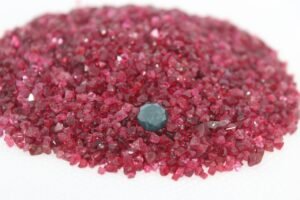
  • Sapphire & Ruby (Corundum): 9 – Ideal for most jewelry
  • Topaz: 8 – Durable but may chip if struck
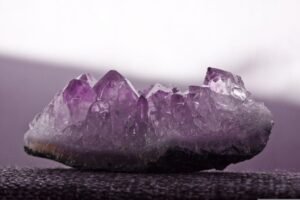
  • Quartz (Amethyst, Citrine): 7 – Hard enough for rings and pendants
  • Emerald: 7.5–8 – Hard but can have inclusions that make them fragile
  • Garnet: 6.5–7.5 – Moderate hardness, careful handling required
  • Opal: 5.5–6 – Soft, can scratch easily, requires protective settings

Knowing a gemstone’s hardness helps you choose the right stone for your jewelry and prevents accidental damage.


Hardness vs. Toughness

It’s important to note that hardness is different from toughness:

  • Hardness measures resistance to scratching.
  • Toughness measures resistance to breaking or chipping.

Some gemstones, like emeralds, are relatively hard but can be brittle due to internal inclusions. Always consider both factors when selecting gemstones for rings, bracelets, or other jewelry exposed to daily wear.


Testing Gemstone Hardness

Beginners can perform simple scratch tests at home, but caution is required to avoid damaging the gemstone. Jewelers typically use controlled methods or instruments like:

  • Scratch plates of known hardness
  • Professional Mohs testing kits
  • Gemological laboratories for precise testing

Never attempt scratch tests on valuable gemstones without guidance, as it can damage the stone.


Conclusion

The Mohs Hardness Scale is an essential tool for understanding gemstone durability. It helps jewelers, collectors, and enthusiasts determine which stones are suitable for daily wear, which require protective settings, and how to care for their gemstone collections.

By knowing a gemstone’s hardness, you can make informed decisions about jewelry purchases and protect your precious stones from scratches and damage.