Natural vs Synthetic Gemstones: How to Tell the Difference

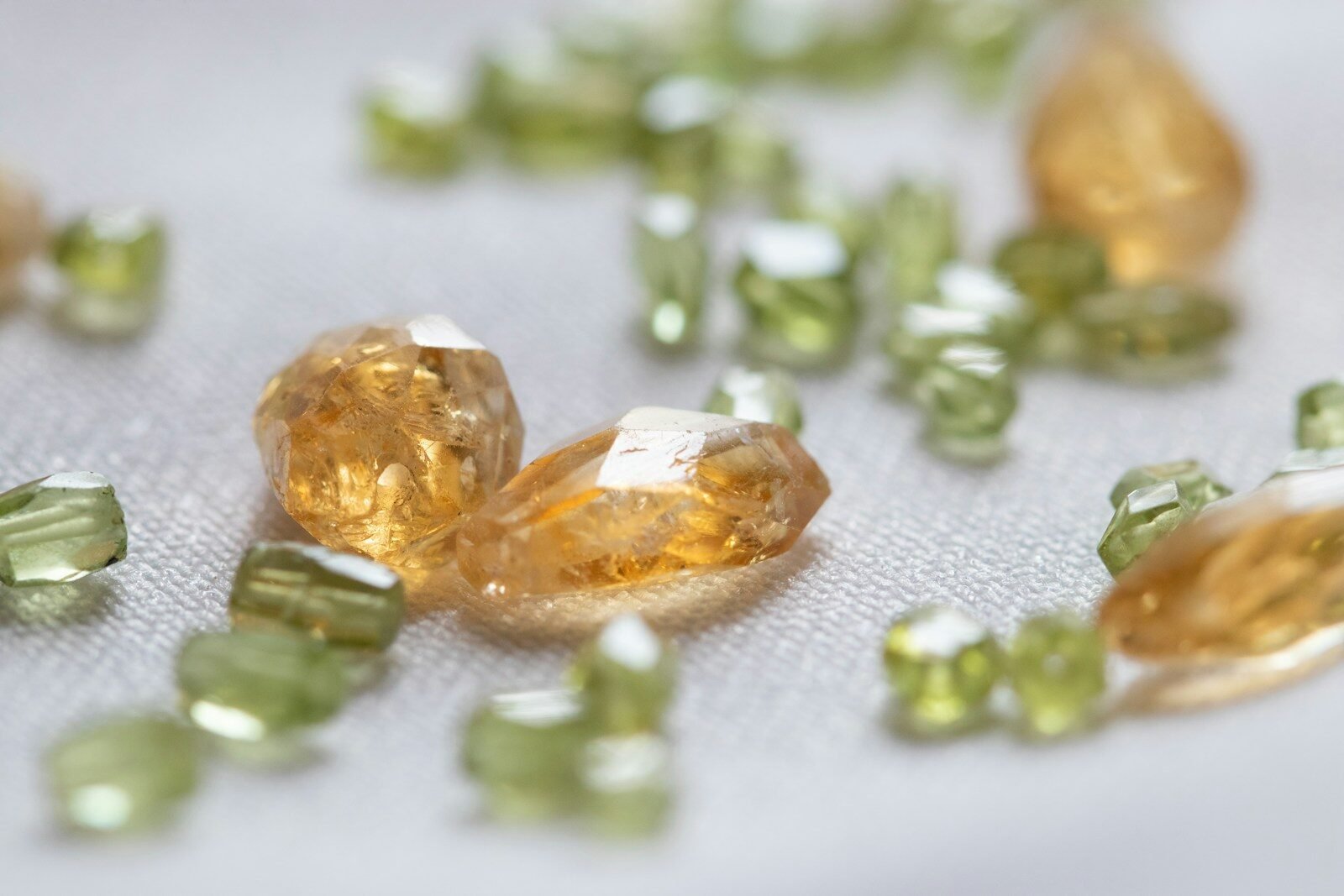
Gemstones have been treasured for centuries because of their beauty, rarity, and value. However, not all gemstones available in the market are formed naturally. Some gemstones are created in laboratories to imitate the appearance and properties of natural stones. These are known as synthetic gemstones.
For collectors, jewelry buyers, and gemstone enthusiasts, understanding the difference between natural and synthetic gemstones is essential. Knowing how to identify these differences can help you make informed decisions when purchasing gemstones.
What Are Natural Gemstones?
Natural gemstones are minerals that form naturally within the Earth over millions of years. They are created through geological processes involving heat, pressure, and mineral crystallization.
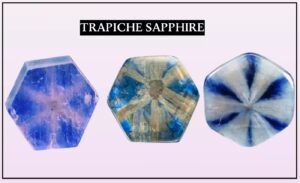
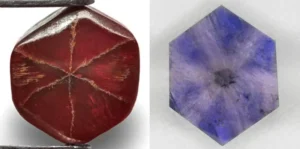
Because natural gemstones form in nature, they often contain internal characteristics such as inclusions, color variations, and natural growth patterns. These features make each gemstone unique.
Examples of natural gemstones include:
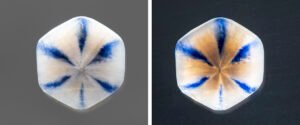
- Sapphire
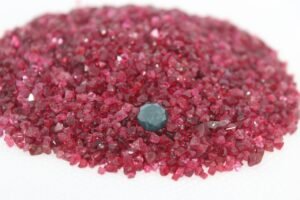
- Ruby
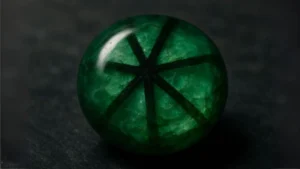
- Emerald
- Quartz
- Garnet
Natural gemstones are generally more valuable because of their rarity and the long geological processes required for their formation.
What Are Synthetic Gemstones?
Synthetic gemstones are stones created in laboratories using scientific processes that replicate the natural conditions under which gemstones form.
Unlike imitation stones made from glass or plastic, synthetic gemstones often have the same chemical composition and physical properties as natural gemstones. However, they are produced artificially within a much shorter time.
Common synthetic gemstones include:
- Synthetic sapphire
- Synthetic ruby
- Lab-created emerald
- Synthetic spinel
Although synthetic gemstones can be visually beautiful, they are typically less valuable than natural stones because they are easier to produce.
Key Differences Between Natural and Synthetic Gemstones
Understanding the main differences between these two types of gemstones can help buyers and collectors recognize them more easily.
1. Formation Process
Natural Gemstones
- Form deep within the Earth
- Created through natural geological processes
- May take millions of years to develop
Synthetic Gemstones
- Created in laboratories
- Produced using advanced technology
- Can be formed within weeks or months
2. Internal Inclusions
One of the most reliable ways to distinguish natural gemstones from synthetic ones is by examining their internal features.
Natural gemstones usually contain:
- Mineral inclusions
- Natural fractures
- Growth patterns
Synthetic gemstones often appear very clean or may contain curved growth lines that reveal their laboratory origin.
Gemologists frequently use microscopes to study these internal characteristics.
3. Color and Appearance
Natural gemstones often display slight variations in color due to natural conditions during formation. These variations can make the stone appear more complex and interesting.
Synthetic gemstones sometimes show very uniform color because they are produced under controlled laboratory conditions.
However, modern technology has made synthetic stones increasingly convincing, which is why careful examination is important.
4. Rarity and Value
Natural gemstones are usually more valuable because they are rare and require specific geological conditions to form.
Synthetic gemstones can be produced in large quantities, making them more widely available and generally less expensive.
Collectors and investors typically prefer natural stones because of their rarity and long-term value.
Professional Gemological Testing
While visual observation can provide useful clues, accurately distinguishing natural from synthetic gemstones often requires professional gemological testing.
Gemologists use specialized instruments such as:
- Microscopes
- Spectroscopes
- Refractometers
- Advanced laboratory analysis
Gemstone certification from reputable laboratories can provide confirmation of a stone’s natural origin and authenticity.
Why Understanding the Difference Matters
Knowing whether a gemstone is natural or synthetic is important for several reasons:
- Accurate valuation of the gemstone
- Transparency in buying and selling
- Understanding the rarity of the stone
- Making informed purchasing decisions
Many collectors prefer natural gemstones because of their geological history and uniqueness.
Conclusion
Natural and synthetic gemstones may appear very similar, but they differ significantly in their origin, rarity, and value. Natural gemstones are formed through complex geological processes over millions of years, while synthetic stones are created in laboratories using advanced technology.
By learning about inclusions, formation processes, and gemstone characteristics, buyers and collectors can better understand how to distinguish between these two types of gemstones.
For anyone interested in the fascinating world of gemstones, recognizing the difference between natural and synthetic stones is an essential step toward becoming a knowledgeable collector.